Why Certification Matters in Skilled Trades: Protecting Workers and the Public
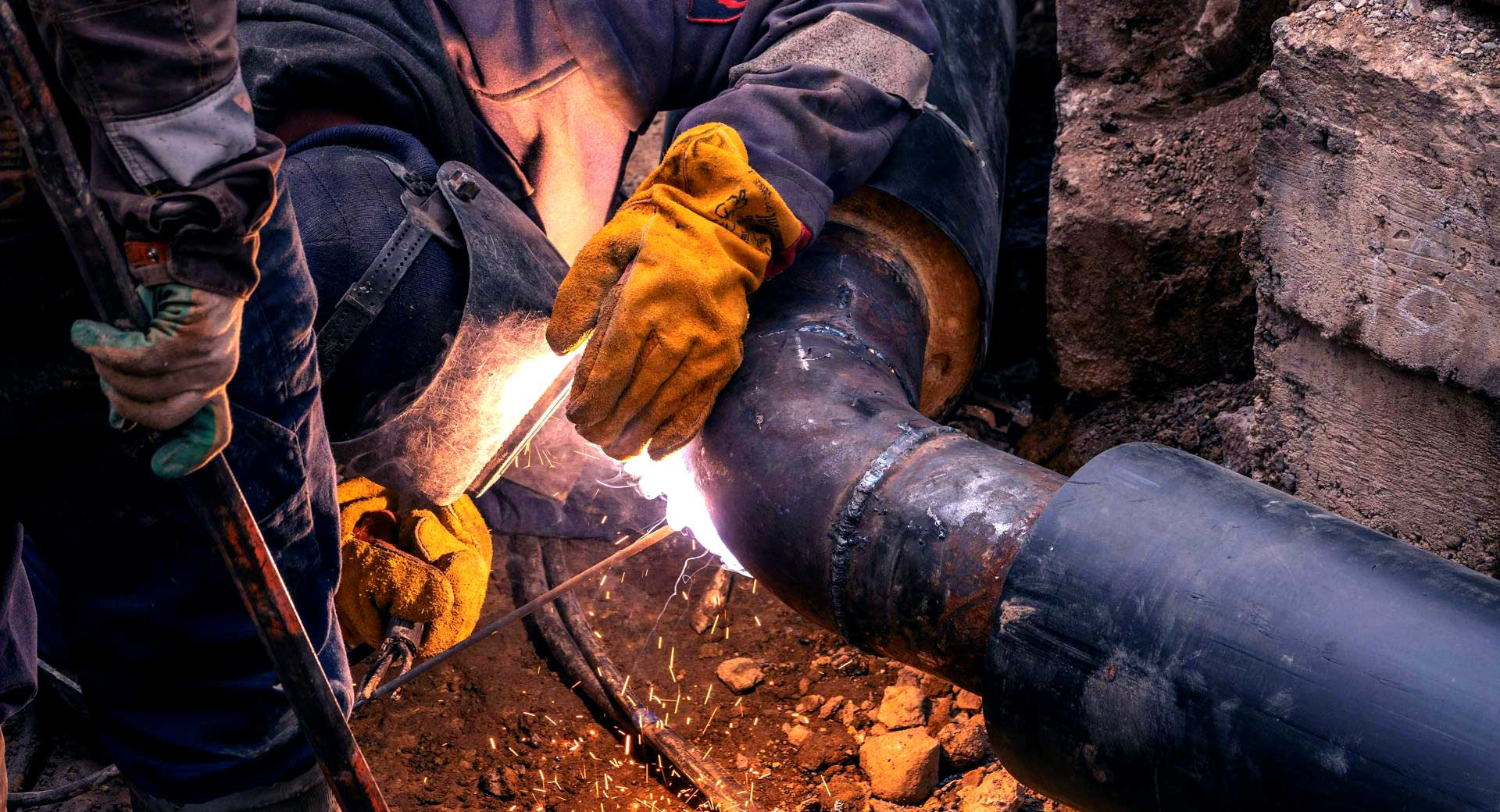
In today's fast-paced construction and service industries, skilled trades professionals play a vital role in building and maintaining safe, functional communities. From electricians and plumbers to HVAC technicians, pipefitters, and welders, these professionals work with complex systems that directly impact public health, safety, and infrastructure.
Because the consequences of poor workmanship can be severe, certification serves an important purpose beyond simply validating technical knowledge. It provides assurance that tradespeople have met established industry standards and possess the skills necessary to perform their work safely and effectively.
Certification is more than a credential. It is a critical safeguard that protects workers, employers, customers, and the communities they serve.
RAISING THE BAR FOR SAFETY AND COMPETENCE
Certification helps ensure that skilled trades professionals meet recognized industry standards for knowledge, performance, and safety.
Organizations such as the National Inspection Testing Certification (NITC) and North American Technician Excellence (NATE) establish rigorous benchmarks that validate a professional's ability to perform work accurately and safely.
Without certification, there is often no consistent method for verifying that a worker understands essential safety procedures, building codes, installation requirements, and industry best practices. This lack of standardization can lead to costly mistakes, project delays, property damage, and potentially dangerous failures such as:
- Electrical fires
- Gas leaks
- Equipment malfunctions
- Structural deficiencies
- Plumbing failures
Certification provides confidence that professionals have demonstrated the competencies required to perform their jobs responsibly and effectively.
PROTECTING WORKERS ON THE JOB
Certified professionals are better prepared to recognize workplace hazards and follow established safety procedures.
Most certification programs emphasize not only technical expertise but also:
- Risk management
- Workplace safety practices
- Proper tool and equipment usage
- Code compliance
- Regulatory requirements
Training often incorporates standards established by organizations such as the Occupational Safety and Health Administration (OSHA), helping workers develop a deeper understanding of workplace safety.
This knowledge reduces the likelihood of accidents and injuries while promoting a culture of accountability.
When workers understand the reasoning behind safety standards, they are more likely to apply those standards consistently, protecting both themselves and their coworkers.
SAFEGUARDING THE PUBLIC
The value of certification extends well beyond the jobsite.
When a certified professional installs, repairs, or inspects a system, customers gain confidence that the work meets recognized industry standards. Whether the project involves installing a water heater, wiring a commercial facility, servicing an HVAC system, or performing inspections, certification helps ensure that systems operate safely and efficiently.
For businesses, hiring certified professionals can also help reduce liability risks. Poor workmanship may result in:
- Property damage
- Business interruptions
- Legal disputes
- Insurance claims
- Reputational harm
Certification serves as a visible indicator of professionalism, competence, and commitment to quality workmanship.
KEEPING PACE WITH EVOLVING TECHNOLOGY
The skilled trades industry continues to evolve rapidly as new technologies, materials, equipment, and sustainability standards emerge.
Certification programs often require ongoing education and recertification, helping professionals stay current with industry advancements and changing regulations.
For example, modern HVAC systems frequently incorporate:
- Smart controls
- Building automation systems
- Energy-efficient technologies
- Advanced diagnostics
- Connected monitoring capabilities
Certified technicians receive training on these evolving technologies, enabling them to deliver better service and help customers maximize performance, efficiency, and long-term value.
As innovation continues across all skilled trades, ongoing certification remains an important tool for professional development and technical excellence.
ENHANCING CAREER OPPORTUNITIES
Certification not only protects workers and the public, but it also creates valuable career opportunities.
Certified professionals often benefit from:
- Higher earning potential
- Greater job security
- Increased professional credibility
- Expanded employment opportunities
- Improved advancement potential
Employers frequently prioritize certified candidates because they bring proven expertise and often require less additional training.
For independent contractors and business owners, certification can be a powerful marketing advantage. Customers are more likely to trust professionals who have demonstrated their knowledge and commitment to industry standards through recognized certification programs.
SUPPORTING INDUSTRY STANDARDS AND PUBLIC TRUST
Certification plays a key role in maintaining consistency across the skilled trades.
By establishing standardized expectations for knowledge and performance, certification creates a common language of competence that benefits:
- Contractors
- Inspectors
- Employers
- Government agencies
- Customers
This consistency helps strengthen public confidence in the trades while supporting safer, higher-quality work across the industry.
Organizations such as the National Center for Construction Education and Research (NCCER) and NITC also contribute to workforce development by helping train and certify the next generation of skilled professionals. As workforce shortages continue to affect many industries, maintaining strong certification programs becomes increasingly important for ensuring a qualified and capable labor force.
Certification in the skilled trades is far more than a box to check. It represents a commitment to excellence, safety, professionalism, and continuous improvement.
By validating knowledge and skills, certification helps protect workers from unnecessary risks, safeguards the public from preventable hazards, and strengthens the overall reputation of the trades industry. In a world where quality and safety cannot be compromised, certification remains one of the most effective tools for ensuring that the professionals who build, maintain, and inspect our infrastructure do so with integrity, accountability, and expertise.
To learn more about available certifications, examination requirements, and upcoming testing opportunities, visit NITC.com. Whether you are beginning your career or seeking to advance your professional qualifications, the National Inspection Testing Certification Corporation (NITC) provides valuable resources and certification programs that support success across multiple skilled trades professions.