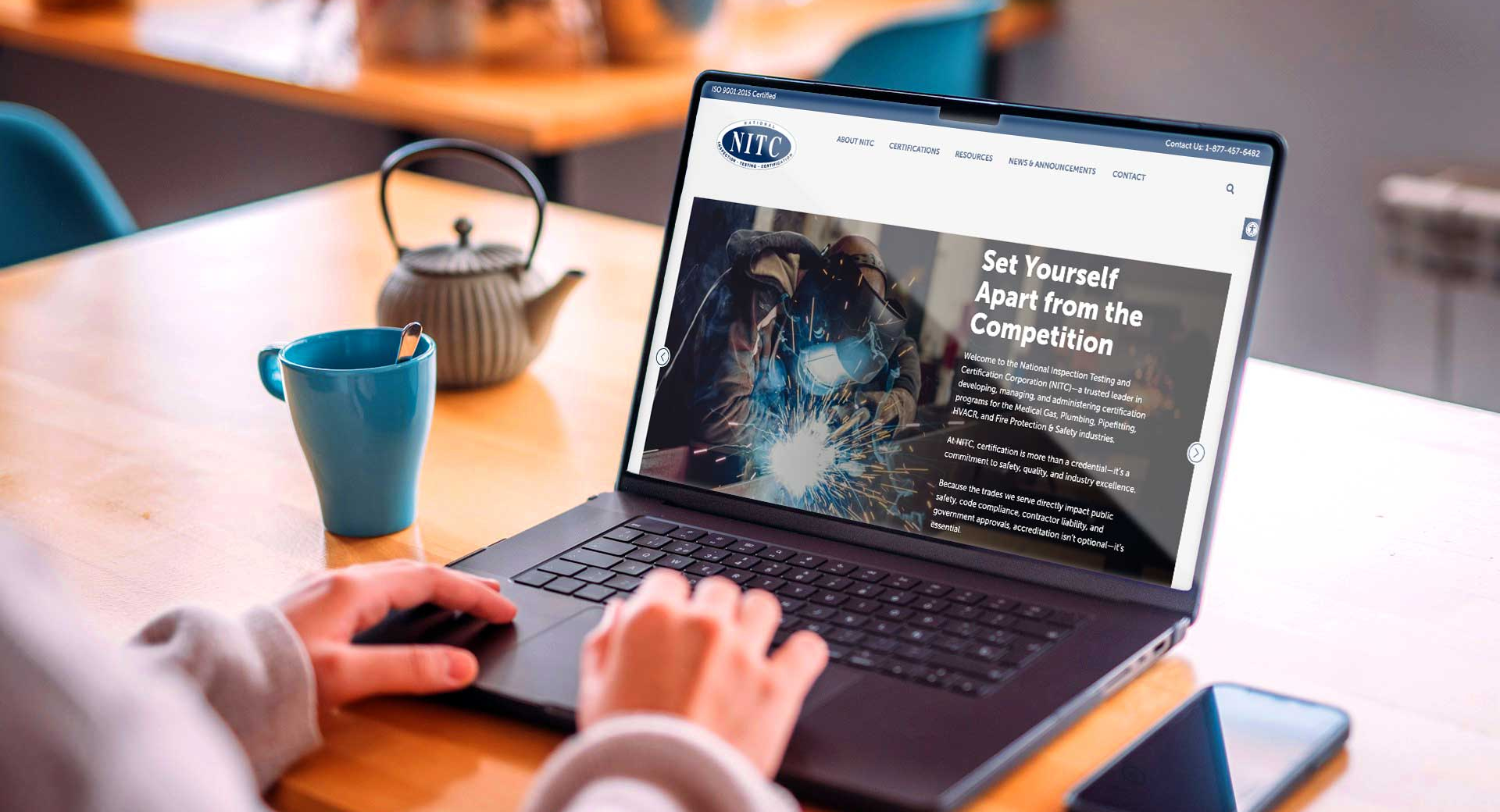
Online testing platforms have become the backbone of modern certification programs. These systems enable candidates to take exams from approved locations using secure browsers, identity verification, and cloud-based delivery.
Key benefits include:
- Greater accessibility: Candidates in rural areas and busy professionals no longer need to travel long distances to test.
- Flexible scheduling: Exams can be offered more frequently, reducing long wait times.
- Faster results: Automated scoring provides immediate or same-day feedback.
- Lower administrative costs: Certifying bodies reduce expenses related to facilities, staffing, and printed materials.
In addition, online platforms provide valuable analytics—tracking pass rates, question performance, and knowledge gaps—allowing organizations to continuously improve their exams.
Remote Proctoring: Security Meets Convenience
One of the biggest concerns surrounding online certification has always been exam integrity. Remote proctoring tools were developed to address this challenge.
Modern remote proctoring typically includes:
- Live or recorded webcam monitoring
- Screen recording and secure browser lockdowns
- ID verification and facial recognition
- AI-powered behavior analysis (e.g., eye movement, background noise, multiple faces, device switching)
The result is a secure testing environment that maintains rigorous standards while allowing candidates to test from home, work, or approved remote locations. This has been especially impactful for trade certifications and continuing education programs, where candidates often balance demanding work schedules.
Advanced Tools Shaping the Next Phase
Simulation-Based Testing
Instead of relying solely on multiple-choice questions, candidates can complete virtual tasks, diagnose problems, or perform procedural steps in simulated environments. This is particularly valuable for technical and trade-based certifications.
AI-Powered Exam Development
Artificial intelligence is helping organizations analyze question performance, detect bias, generate practice questions, and even personalize testing pathways.
Remote Practical Assessments
Through video submissions, live-streamed demonstrations, and sensor-enabled tools, certifying bodies can evaluate real-world skills without requiring physical test centers.
Continuous Certification Models
Rather than one-time exams, digital platforms now support ongoing assessments, refresher modules, and performance tracking—keeping certifications current and relevant.
Benefits for Certification Bodies and Candidates
For candidates:
- Reduced travel and time costs
- Faster access to credentials
- More flexible testing options
- Enhanced learning experiences
For certifying organizations:
- Expanded national and global reach
- Improved exam security and compliance
- Scalable testing infrastructure
- Actionable performance data
Together, these advantages support faster workforce entry, improved credential quality, and stronger industry trust.
The Future of Certification Is Digital-First
Certification is no longer limited by physical boundaries. As industries evolve and skill requirements change rapidly, digital tools allow certification programs to keep pace.
Online testing, remote proctoring, simulation-based assessments, and digital credentials are not temporary solutions, they are becoming the foundation of modern workforce development.
For certification providers, embracing these tools is about more than modernization. It’s about expanding opportunity, strengthening standards, and building a future-ready credentialing system.
Explore available certifications, exam requirements, and upcoming testing opportunities at: https://nitc.com
Your next advancement starts with validation, and NITC provides the tools to help you get there.