

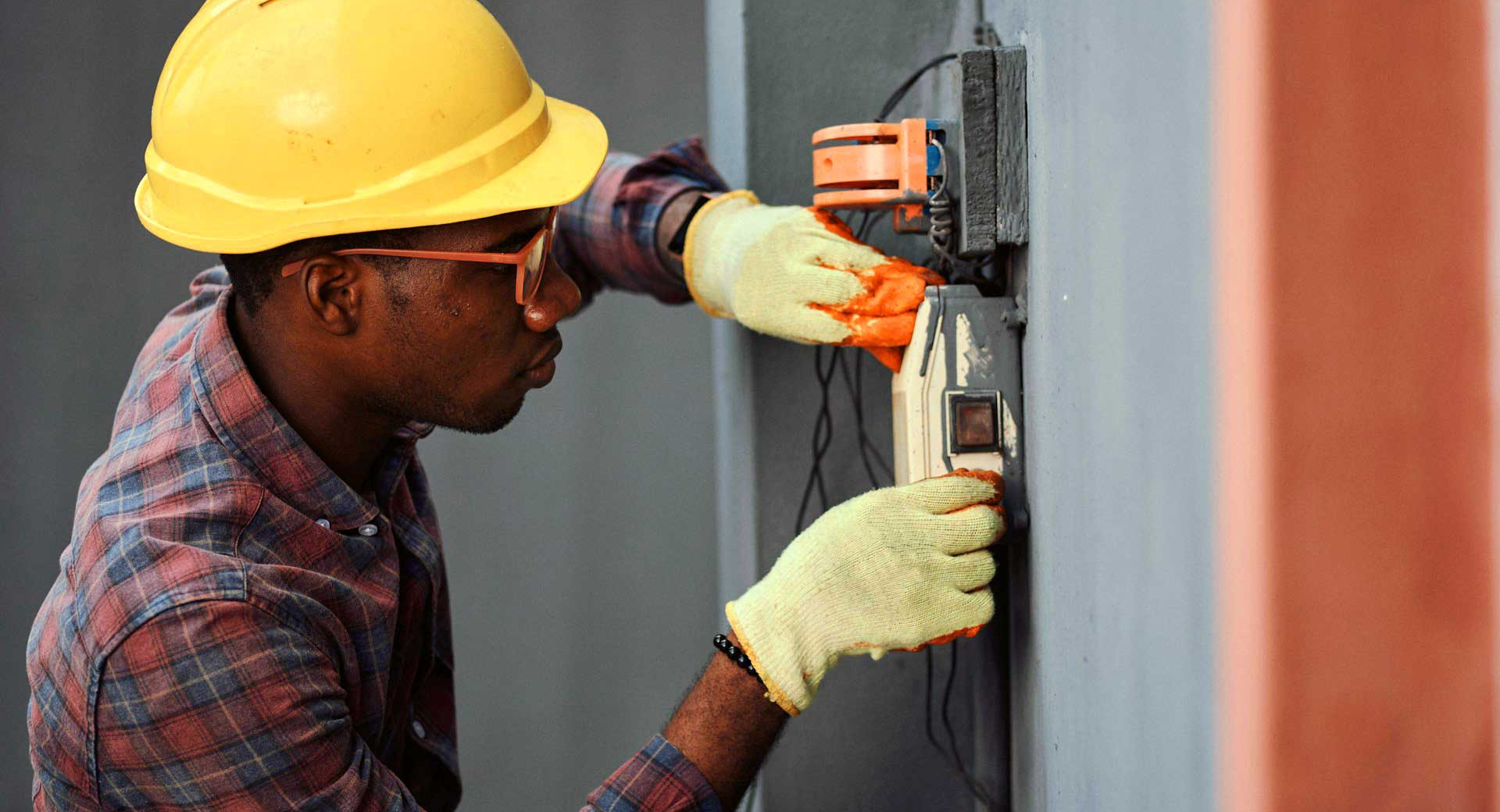
In plumbing, pipefitting, HVACR, and other skilled trades, technical knowledge has always mattered. What is changing is the equipment professionals work with and the way certification organizations assess their knowledge. Digital examinations, remote proctoring, and evolving assessment practices are reshaping the certification experience while keeping the focus on competency and safety.
For the National Inspection Testing and Certification Corporation (NITC), the challenge is to make testing accessible and dependable without losing sight of the real-world skills that certification is intended to measure.
From Paper Exams to Computer-Based Testing
Paper examinations remain part of the certification landscape, but computer-based testing offers candidates more scheduling options and, for certain examinations, faster results. NITC describes both paper-and-pencil and computer-based procedures; its published guidance notes that computer-based candidates may receive pass/fail reports at the end of their session.
NITC also offers examinations through Prometric testing centers for specified programs. Candidates should review the requirements for their particular certification rather than assume every examination is available remotely. See NITC’s testing sites and procedures for details.
For working tradespeople, more flexible scheduling can mean less disruption to jobsites and fewer logistical hurdles when pursuing a credential.
Keeping Digital Exams Secure, Fair, and Reliable
A digital platform can help manage candidate identification, exam access, monitoring, and score reporting. Yet moving a test onto a computer does not automatically make it more accurate or fair. Certification organizations still need well-designed questions, consistent administration, appropriate security controls, and accessible testing conditions.
The International Test Commission’s technology-based assessment guidelines emphasize validity, fairness, accessibility, security, and privacy in digital assessment. Those principles matter in the skilled trades, where examination results may affect professional opportunities and confidence in an individual’s demonstrated knowledge.
Assessing the Skills Today’s Technicians Actually Use
Technology is changing more than exam delivery. Building systems now incorporate electronic controls, sensors, sophisticated diagnostics, and energy-management equipment. A technician may need to interpret digital readings and troubleshoot interconnected components alongside performing traditional mechanical work.
Certification examinations must reflect the knowledge and tasks relevant to the occupation. Input from industry subject-matter experts, job and task analysis, and careful examination design can help keep assessments aligned with workplace demands. Digital tools can support that process, but they do not replace the expertise needed to decide what should be tested.
A Closer Look at Specialized Certification
California’s building energy requirements illustrate why specialized technical knowledge matters. Mechanical acceptance testing evaluates whether certain installed building systems perform as required, using prescribed inspection and functional-performance procedures.
NITC offers a Title 24 Mechanical Acceptance Test Technician certification related to these requirements. Candidates must meet the applicable eligibility and competency requirements; certification is not a blanket guarantee of code compliance on every project.
As energy-efficiency requirements and building technologies develop, professionals need to understand both the equipment and the testing procedures used to evaluate its performance.
What Comes Next for Skilled-Trades Certification?
Remote delivery, digital credentials, improved assessment analytics, and other tools may continue to influence certification. Their value will depend on whether they improve the candidate experience while maintaining dependable measures of knowledge and skill.
Hands-on experience remains essential. No online examination can, by itself, demonstrate every aspect of safely installing, inspecting, repairing, or maintaining a complex system. Effective certification practices recognize the distinction between testing knowledge and demonstrating practical competence.
Technology Should Strengthen the Standard
The future of skilled-trades testing is not simply about replacing paper with screens. It is about using better tools to assess relevant knowledge consistently, protect exam integrity, and help qualified professionals pursue certification as their industries evolve.
Explore NITC’s certification programs and examination information to learn about available credentials, eligibility requirements, and testing opportunities.